Tag Archives: historical costume

Antique Rings for Historical Costume: Georgian, Victorian, Edwardian, and Art Deco

I enjoy sewing for many historical costume eras, as those of you who follow my blog or watch my costuming content on my Instagram know, and I always have fun considering the accessories. My biggest piece of advice for making your look complete is to consider not just the gown, but the hats, shoes, gloves, stockings and especially the jewelry! I wear many historically-inspired costume jewelry pieces that I have either made or purchased, vintage or new, but I also like to admire genuine antique pieces. (All jewelry photos in this blog post were kindly provided by Antique Ring Boutique, who sponsored this post, but allowed me to write whatever I wish).

I thought it would be fun to share in this post a few eras I like to costume from, some inspirational images, and of course some beautiful genuine antique jewelry!

Whether you are a new historical costumer looking for an overview, or an experienced maker wanting to gaze at some lovely shiny things, I hope this post gives you some inspiration.

For each ring I’ve included a main image plus a link to a page where you can see even more photos of different views, and read about the piece.

Georgian (1714-1837)

The Georgian era is named after the start of the reign of King George I in 1714 and includes the end of the reign of King George IV in 1830 and the regency period of William IV in 1837. 

I love costuming from the 18th and early 19th century, and have made a number of outfits from this time. This mauve silk dress is a favorite (photo by In the Long Run Designs). 
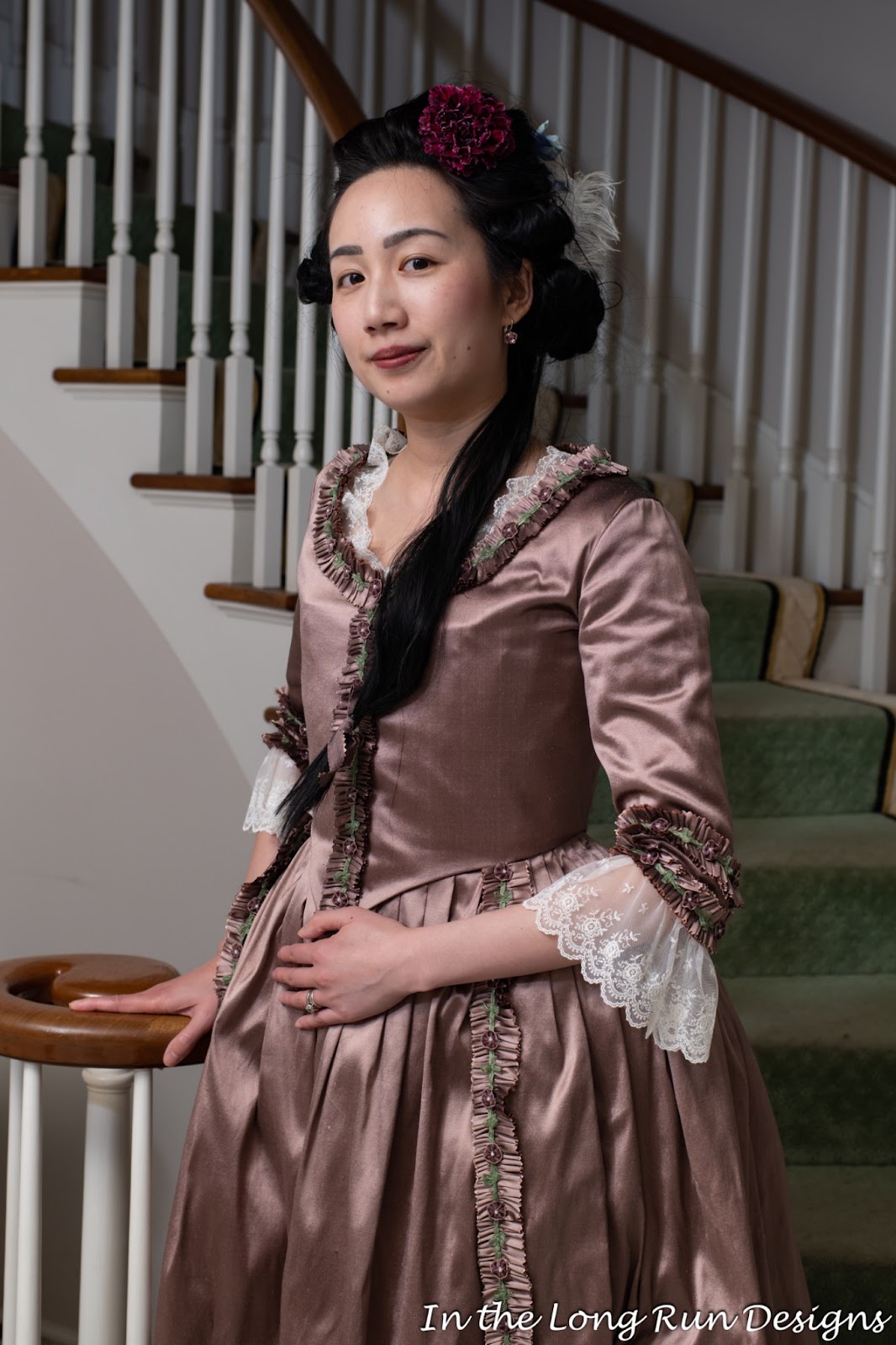
The 18th century brings to mind Marie Antoinette, silk gowns, panniers, and big hair! Extravagant jewelry, especially with foil-backed stones, glittered under candlelight at court. Rose gold, yellow gold, and silver were popular metals for rings.

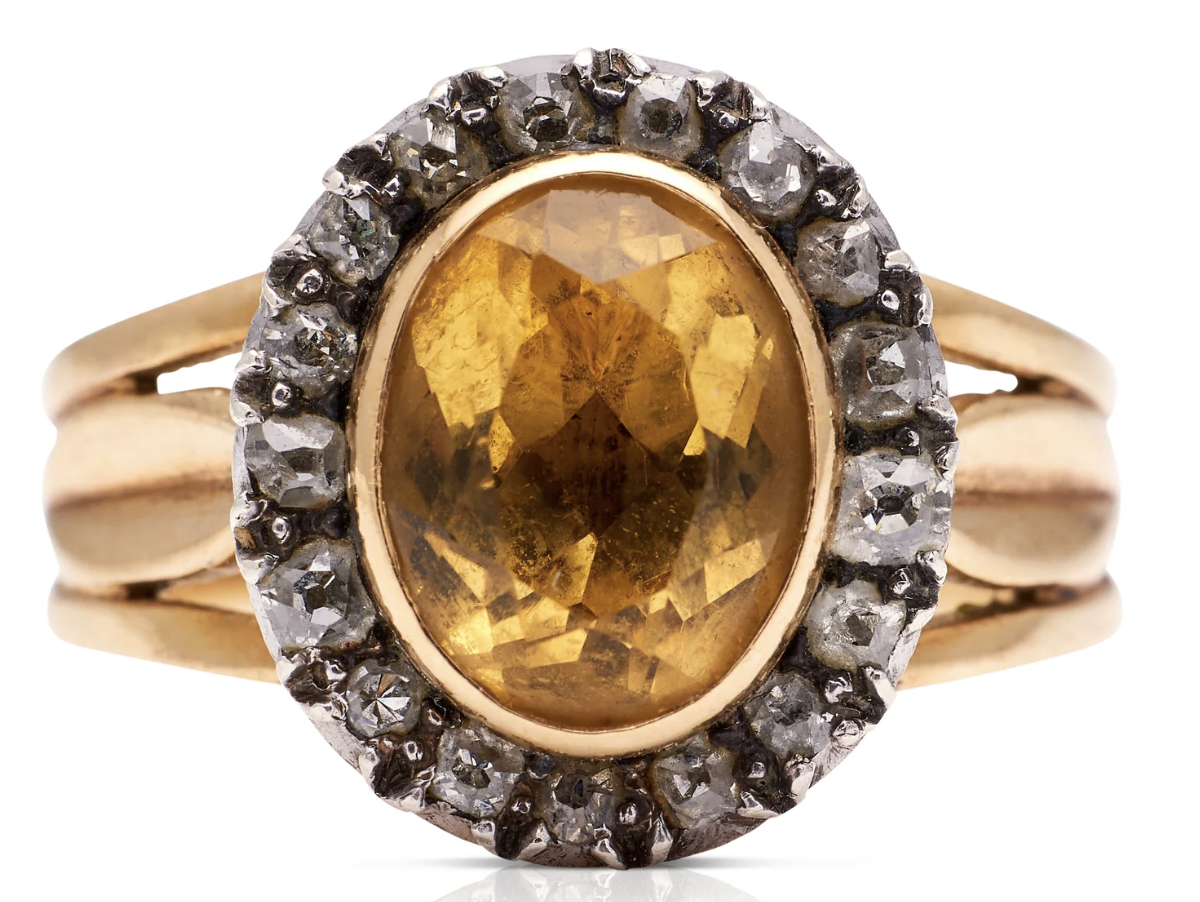
This antique citrine and diamond cocktail cluster ring would have looked amazing with a pretty yellow gown.
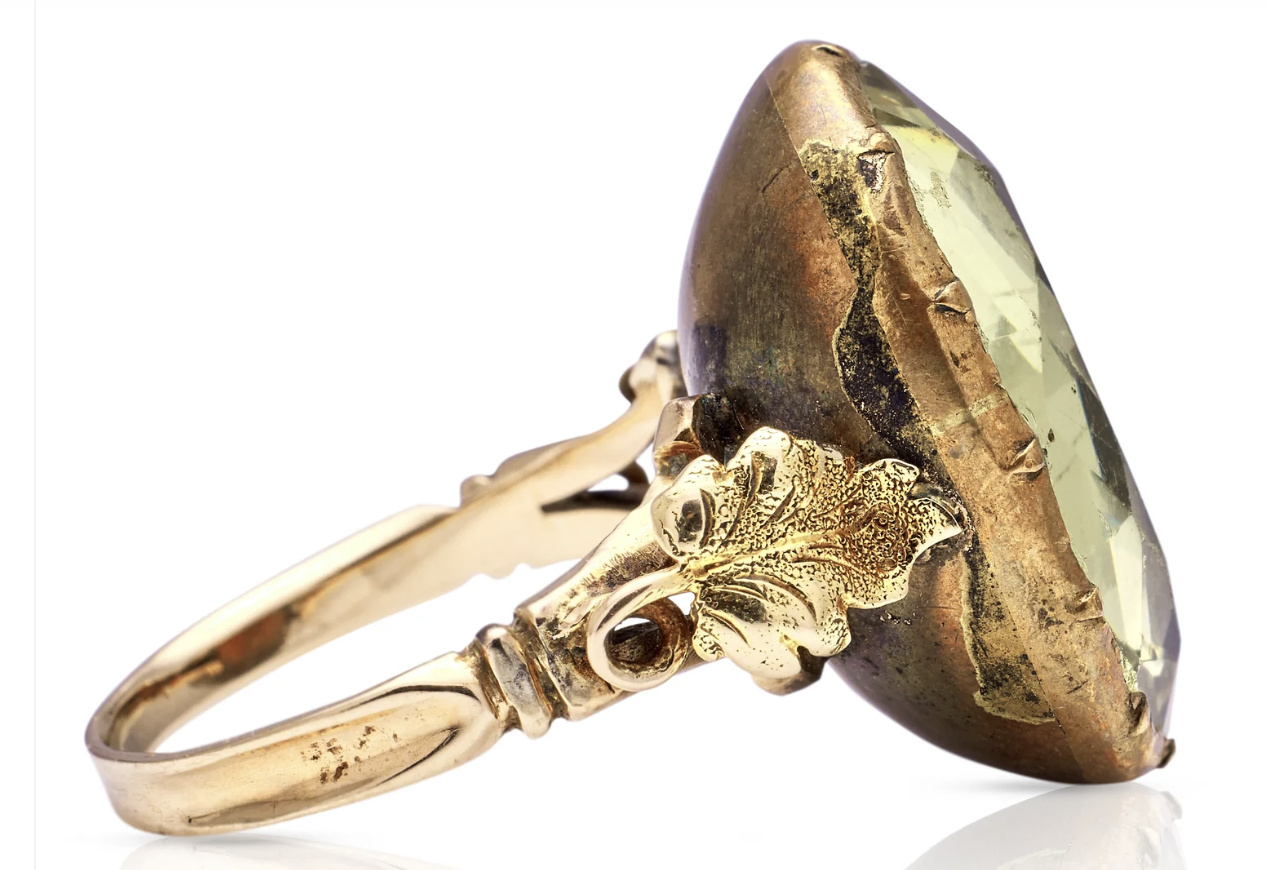
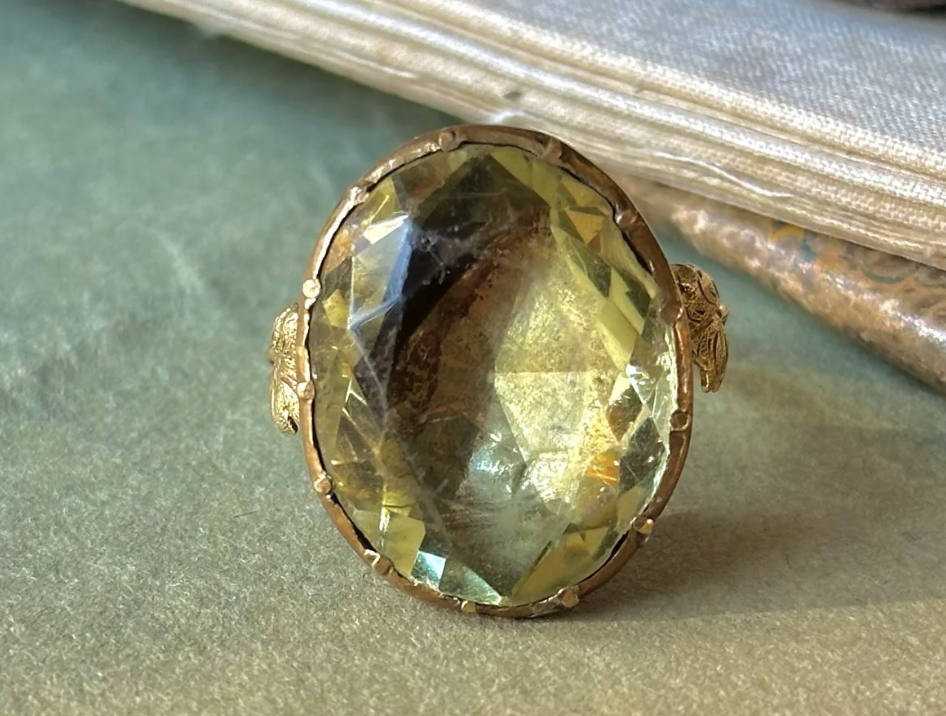
Paste stones (imitation gems) were also very popular in the 18th century, as seen in this eye-catching large green foiled paste stone ring.
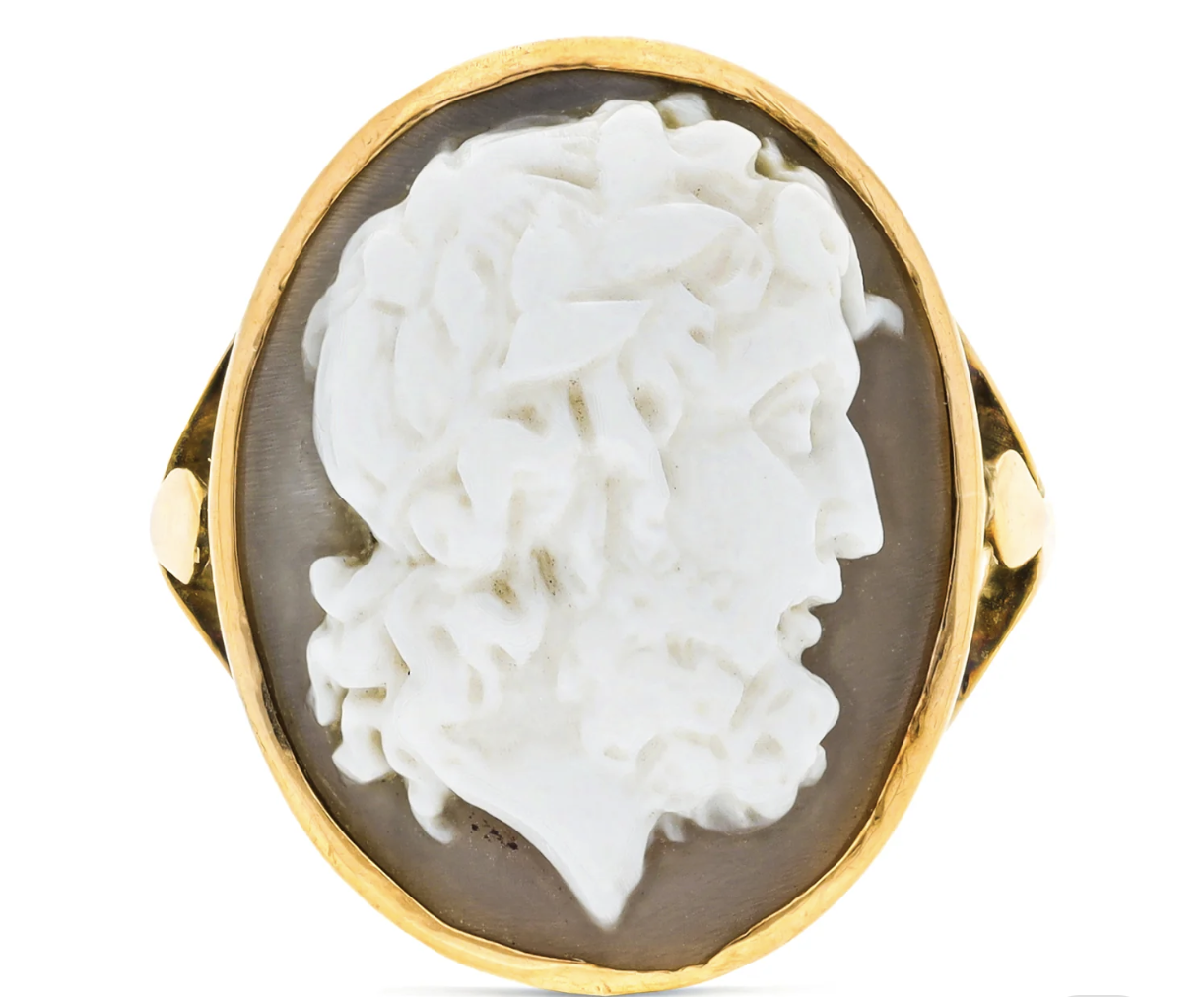
And finally, cameo jewelry was also quite popular (and still popular today!) This intaglio ring is a fine example.
Victorian (1837-1901)

The Victorian period was named after long-reigning monarch Queen Victoria of England. Since the period was so long, there were many silhouettes, including the full short dresses of the 1830s, the hoop skirts of the 1850s, and bustle dresses of the 1870s and 1880s. I am particularly fond of bustle dresses like this one I wore to a museum event. (Photo by John Carey Photographic). 

During the Victorian era, diamond rings were very popular. Different materials such as amethyst, emeralds, agate, pearls, and even hair! (often found in mourning jewelry) were used.  Carved cameo and intaglio jewelry continued to be popular, such as this lapis lazuli ring.

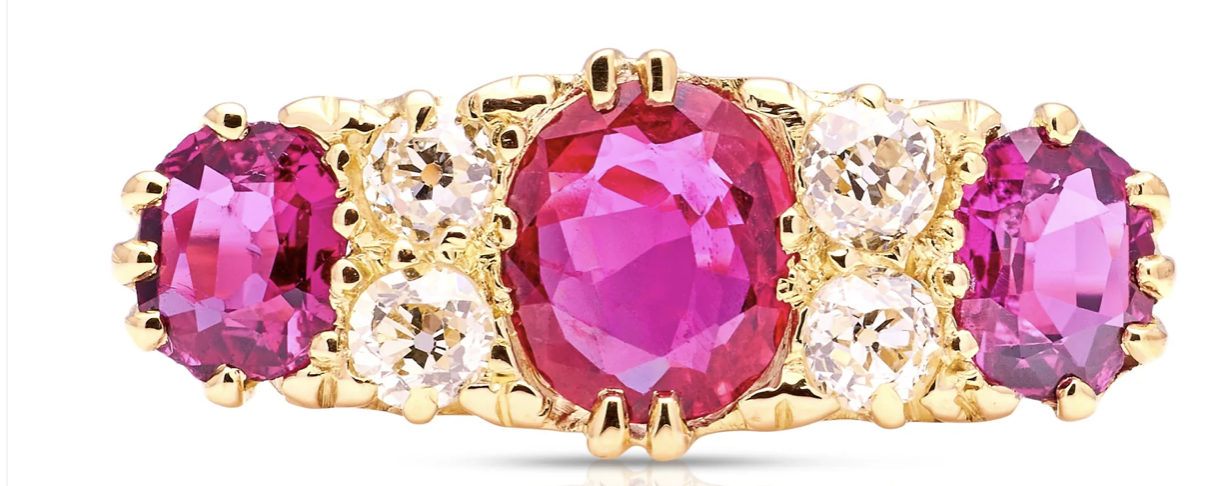
I think this ruby and diamond 3 stone ring would go great with a pink bustle dress!
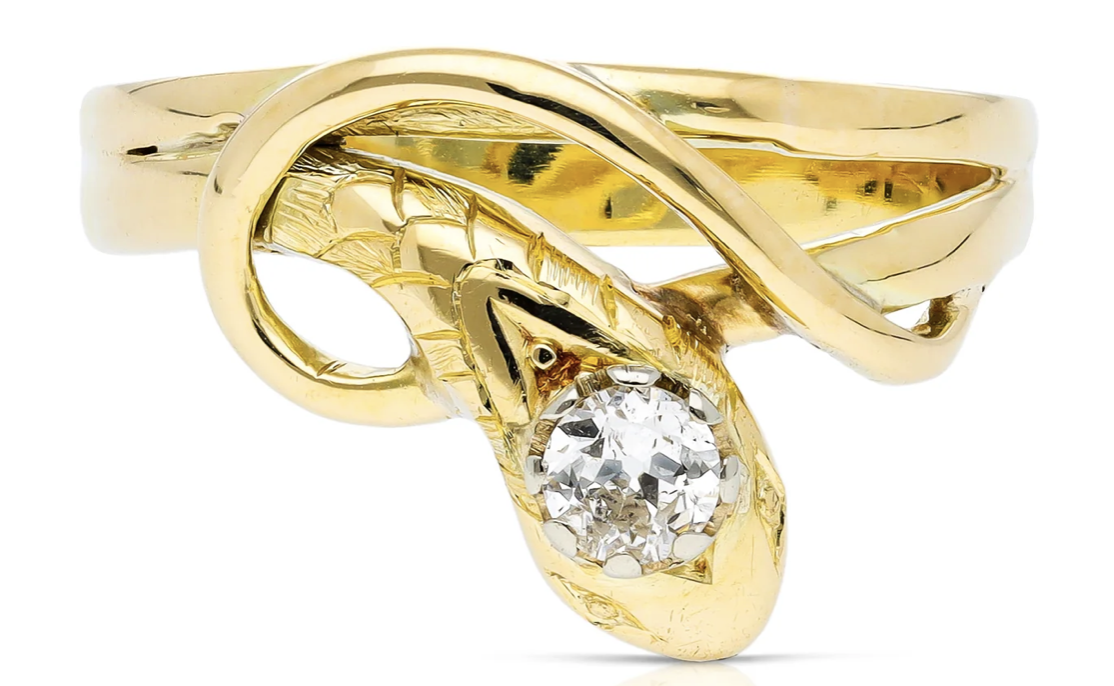
This diamond snake ring looks so modern!
Edwardian (1901-1910)

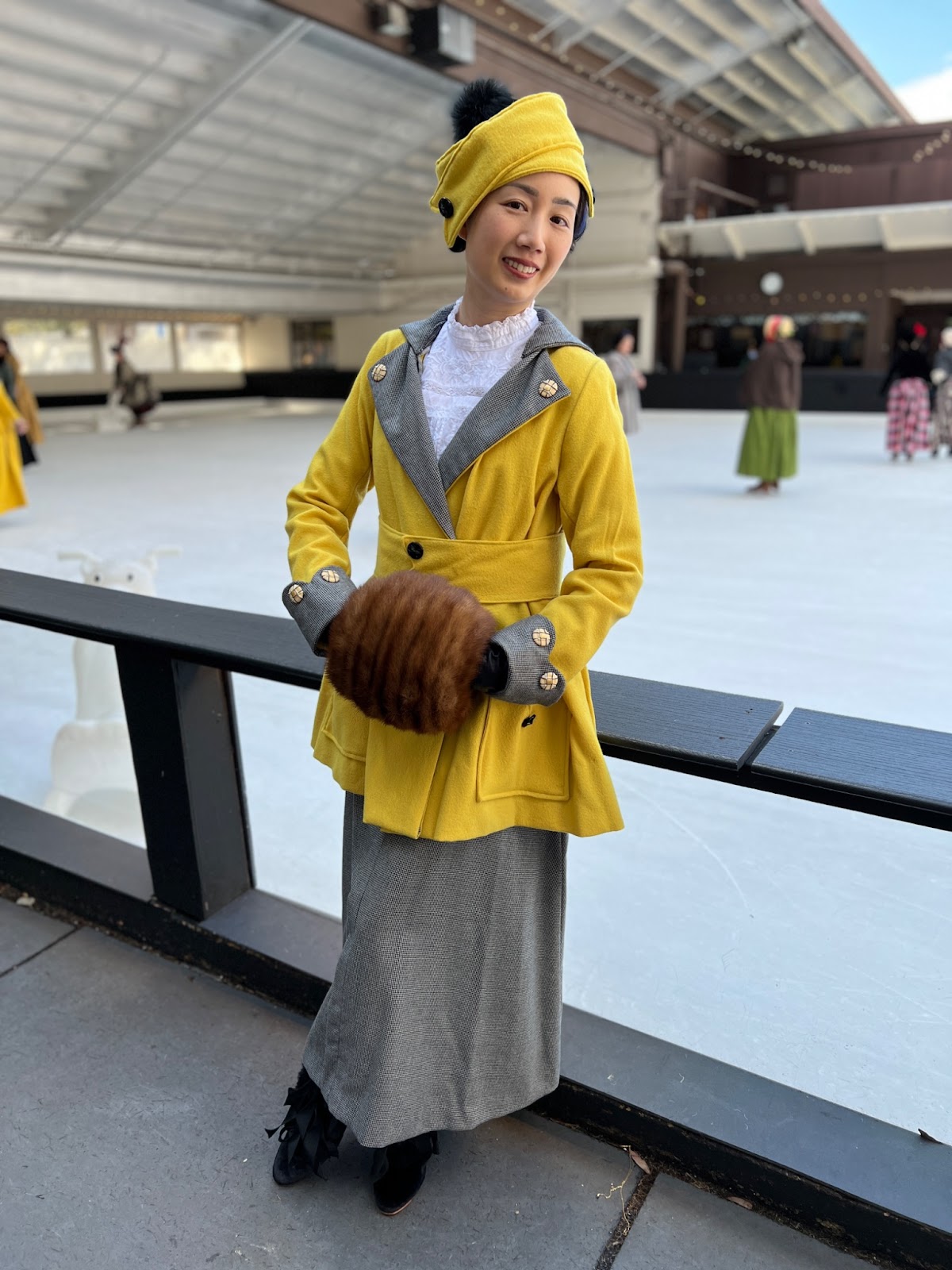
The Edwardian period was named after King Edward VII, and the time of some very elegant designs. The blouse and walking skirt combination was common for daywear, and an easy way to get into historical costuming. Suits and stylish jackets were also common, and we also saw women’s sportswear. This wool suit I made and wore to a historical ice-skating party.
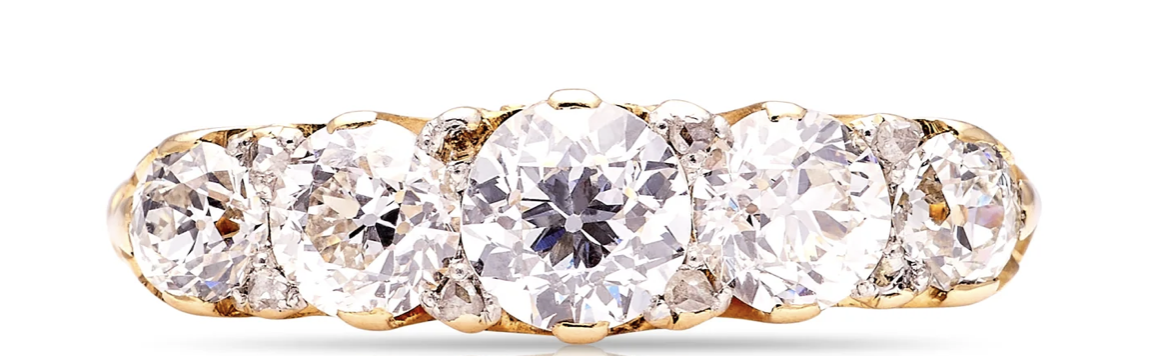
The Edwardian era includes part of the Belle Epoque and Art Nouveau eras, and some designs that are still very wearable today, such as this five stone diamond ring:
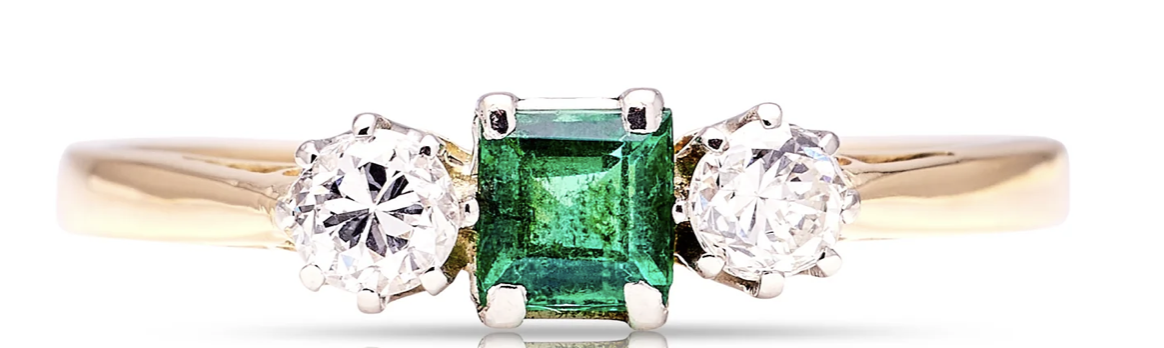
This emerald and diamond two stone ring is striking.
I would gladly wear this pearl and diamond ring!

I’m also partial to this diamond daisy cluster ring because it reminds me of my own engagement ring.

Art Deco (1920s/1930s)

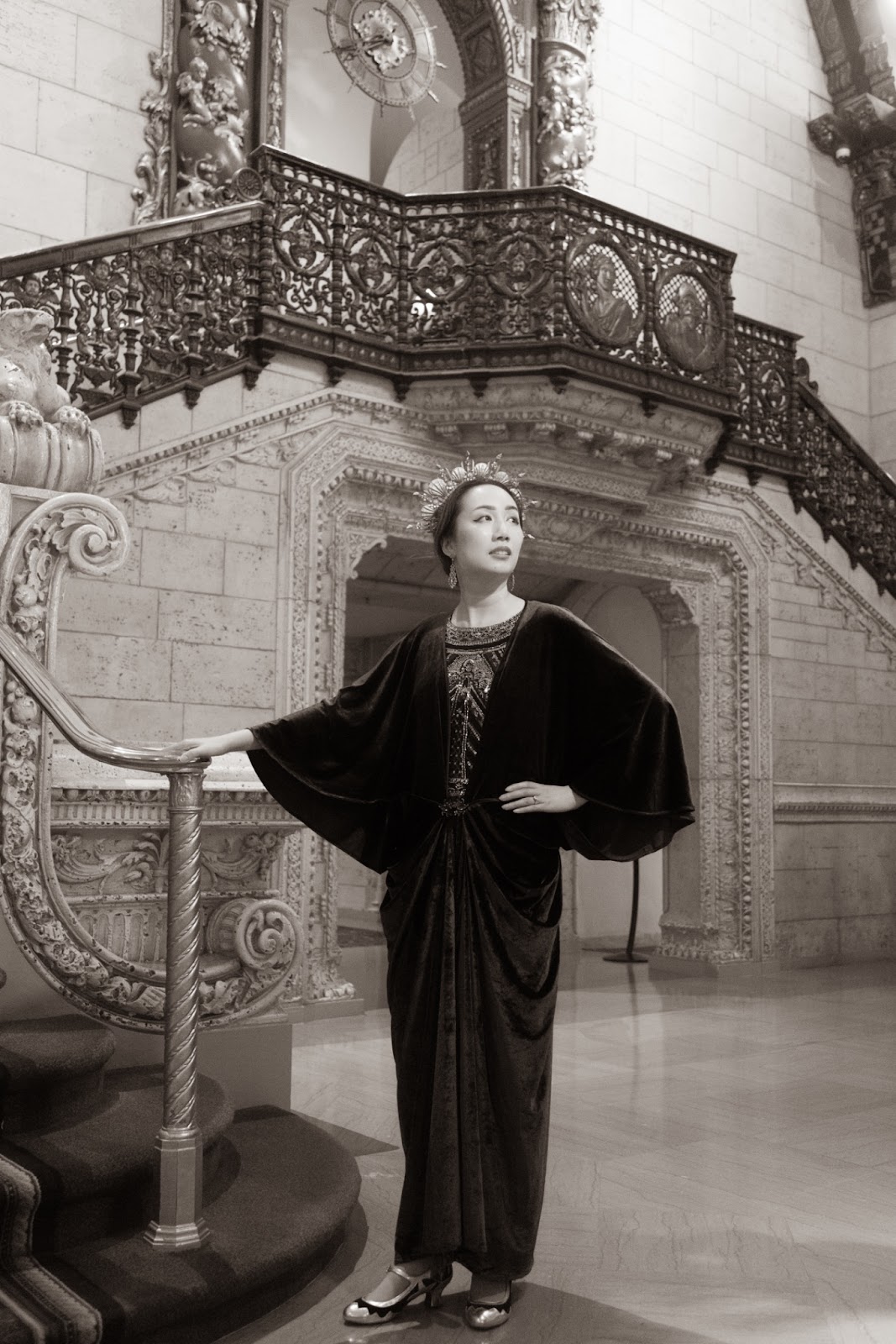
If you love Old Hollywood glamor or flapper dresses, the Art Deco era is for you! I own a number of 20s-inspired dresses, but my heart also lies with the long gowns of the 1930s. I do pull inspiration from each. This photo was taken at the historic Biltmore Hotel in LA by Jason Holmes Photography.
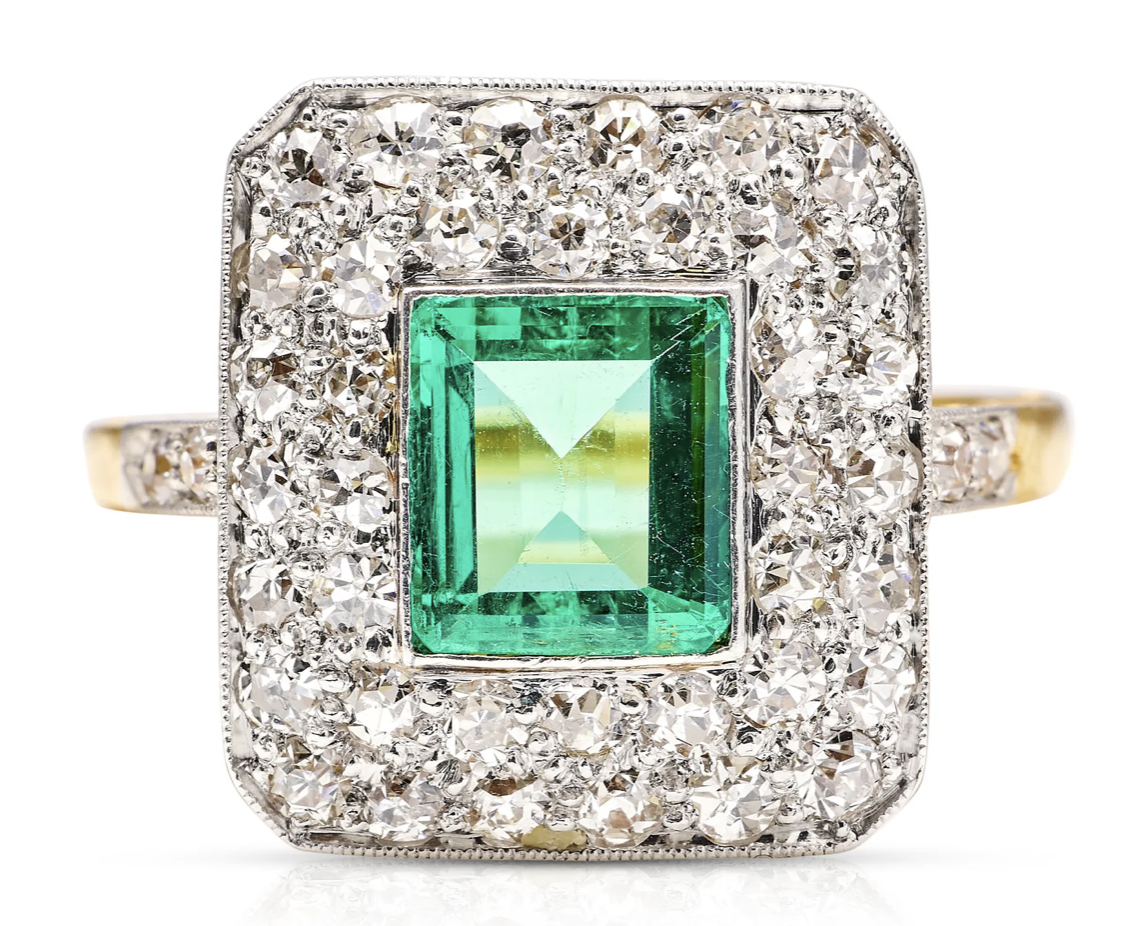
This Art Deco emerald and diamond ring is such a stunner!
This blue zircon and diamond ring from about 1925 is such a pretty thing.
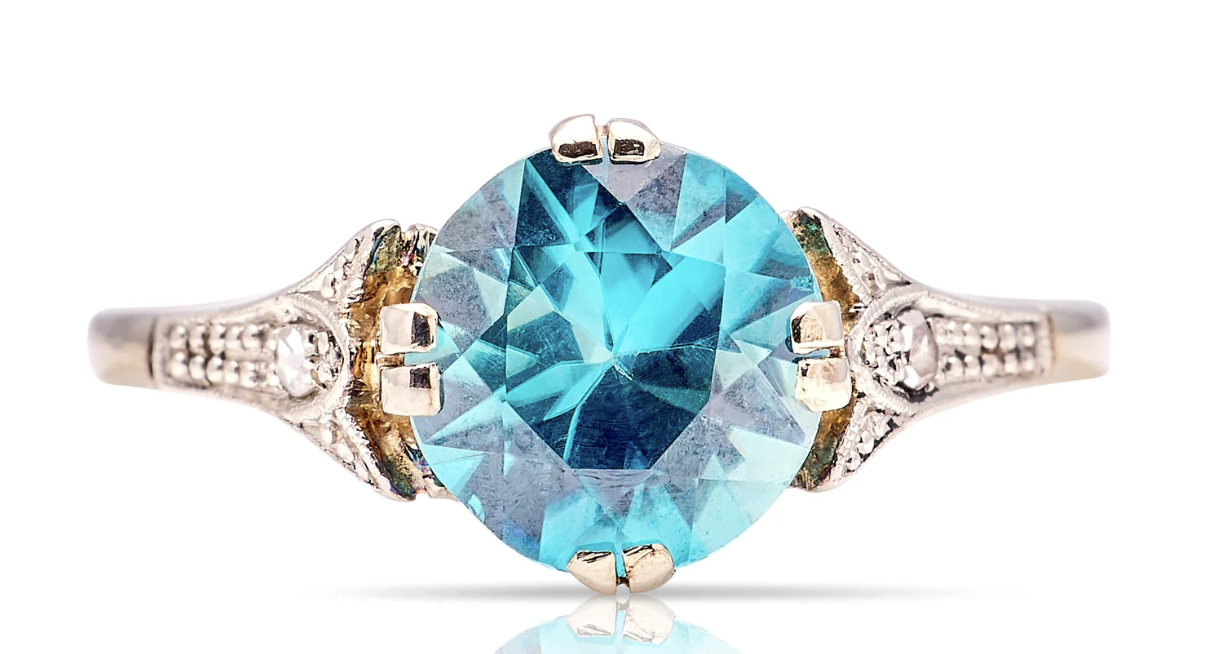
This Art Deco diamond cluster engagement ring reminds me of the Edwardian daisy cluster ring from earlier in thist post.

I hope you’ve enjoyed looking at these rings. If you have a favorite, either from the ones I’ve shown you or from the Antique Ring Boutique site, let me know! (Or you might let someone in your life know you deserve a sparkly treasure for the holidays).

My 17th Century Masquerade Dress (Plus 10 Tips/Tricks for Sewing Costumes)

Years ago I made a black 1660s dress but wanted a more colorful one. I finally got my excuse to make one when my local costume guild decided to put on an event called “DuMasquerade,” a dinner event celebrating the works of Alexander Dumas. I made a dress out of purple taffeta and wore a dragon mask perched upon my head.

In this post I’ll show you the dress I wore, plus some tips/tricks to make your sewing faster and/or more polished. I only had a few weeks to make this dress so I definitely took some shortcuts!

I used the Nehelenia 1660s dress pattern since I was familiar with it, having used it before. This style of dress features a long skirt, a fully boned bodice with a pointed center front, and puffy sleeves, made of a purple taffeta fabric. I am happy to brag that I made this dress for less than $25! A friend found the fabric for $2.50/yard at a local shop, and I got the fancy trim on clearance for $1/yard. The ruffles are made from a cotton organdy curtain I got for free. The lining uses scraps from a previous project and the boning is 4 different colors/lengths of zip ties and boning bits I found around the house or was given to me from someone destashing. The bum roll uses scraps from another finished dress. I already owned the pattern, shoes, wig, and petticoats from previous costumes. I was so under budget for this dress I decided to buy those pearly bodice decorations from an Etsy shop called Recycled Rockstah. The dragon mask is a kid’s Halloween mask that I painted and attached to a headband. Some of my costume projects can get pricey but every so often I like to challenge myself to make something for a low cost, to remind myself of how I started costuming, and to let others know that with a little luck and patience (and keeping a stash!) it’s possible to look fancy for less. Yes, I had the privilege of time and experience, but I firmly believe costuming is for everyone and every budget. You don’t have to have silk to be valid.

TIPS/TRICKS

Tip/trick #1: Instead of making a corset as a separate garment, make your bodice fully boned. To do this you will cut out two linings and stitch them together with a series of parallel lines to make channels for your boning! Then you will cover this boned lining layer with your fashion fabric layer.

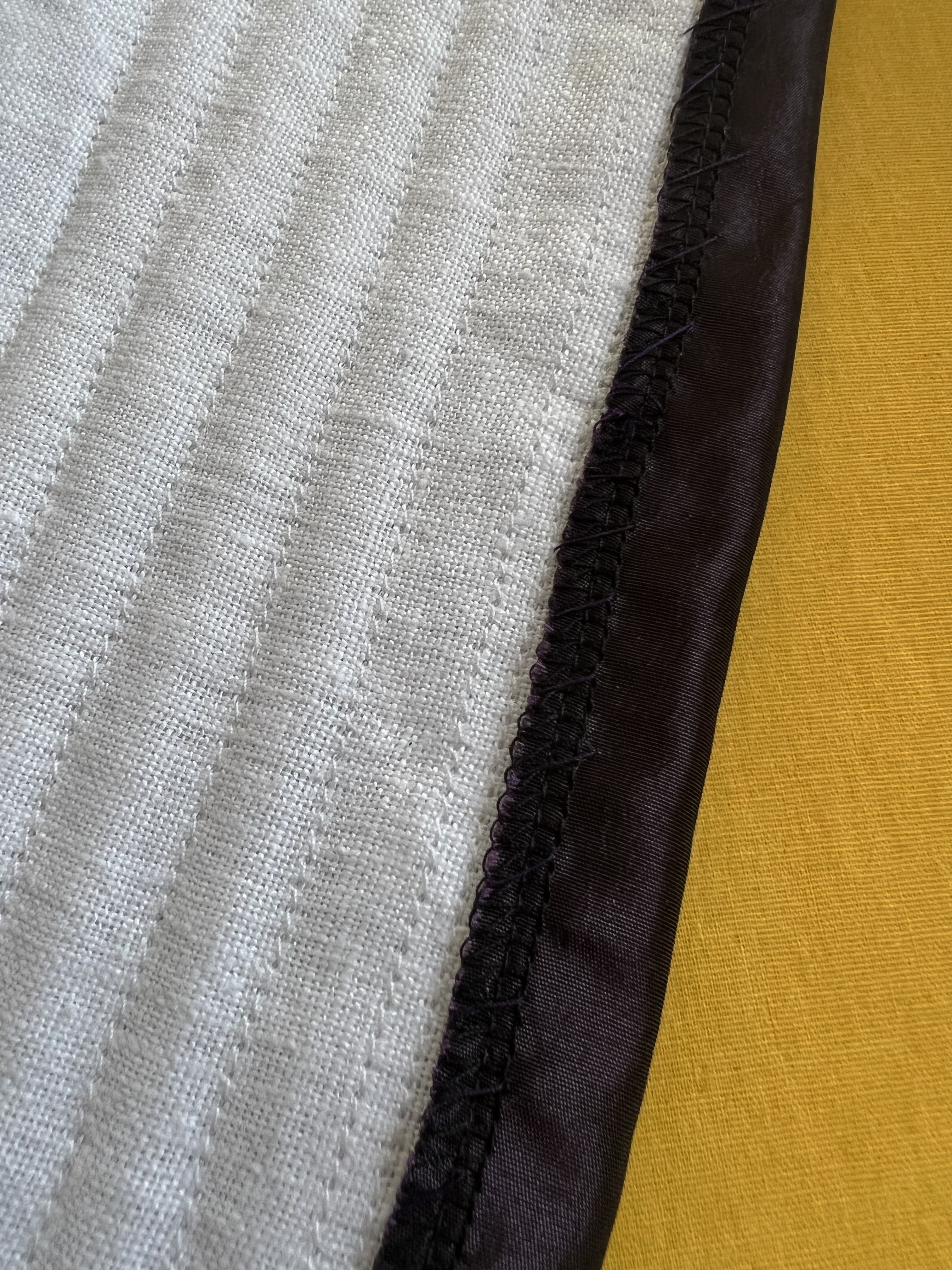
Tip/trick #2: When you cut out your bodice fashion fabric pattern pieces, extend the sides of the pieces that will make up the neckline, back closure, and bottom edge by about an inch. After you assemble the bodice fashion layer you can serge the raw edges, fold them over, and then whipstitch them to the lining. This way your linings won’t show when worn and you can skip making facings.

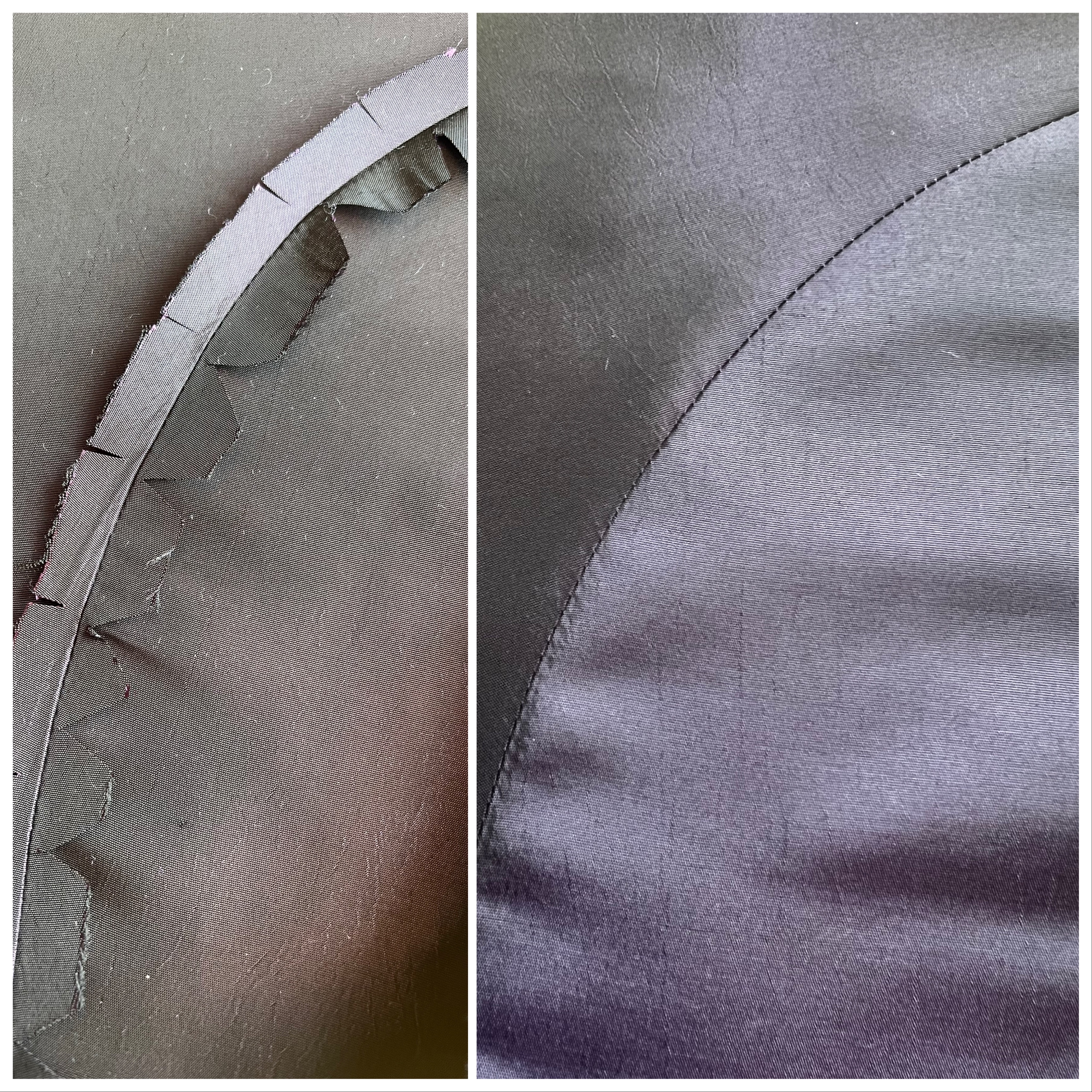
Tip/trick #3: To make your curved seams nice and smooth, you will want to clip after sewing. Iron your seam allowances open. Cut notches in the inner curve of the seam allowance and snip or cut notches in the outer curve of the seam allowance. Iron again on the right side of the fabric to make a very neat seam.

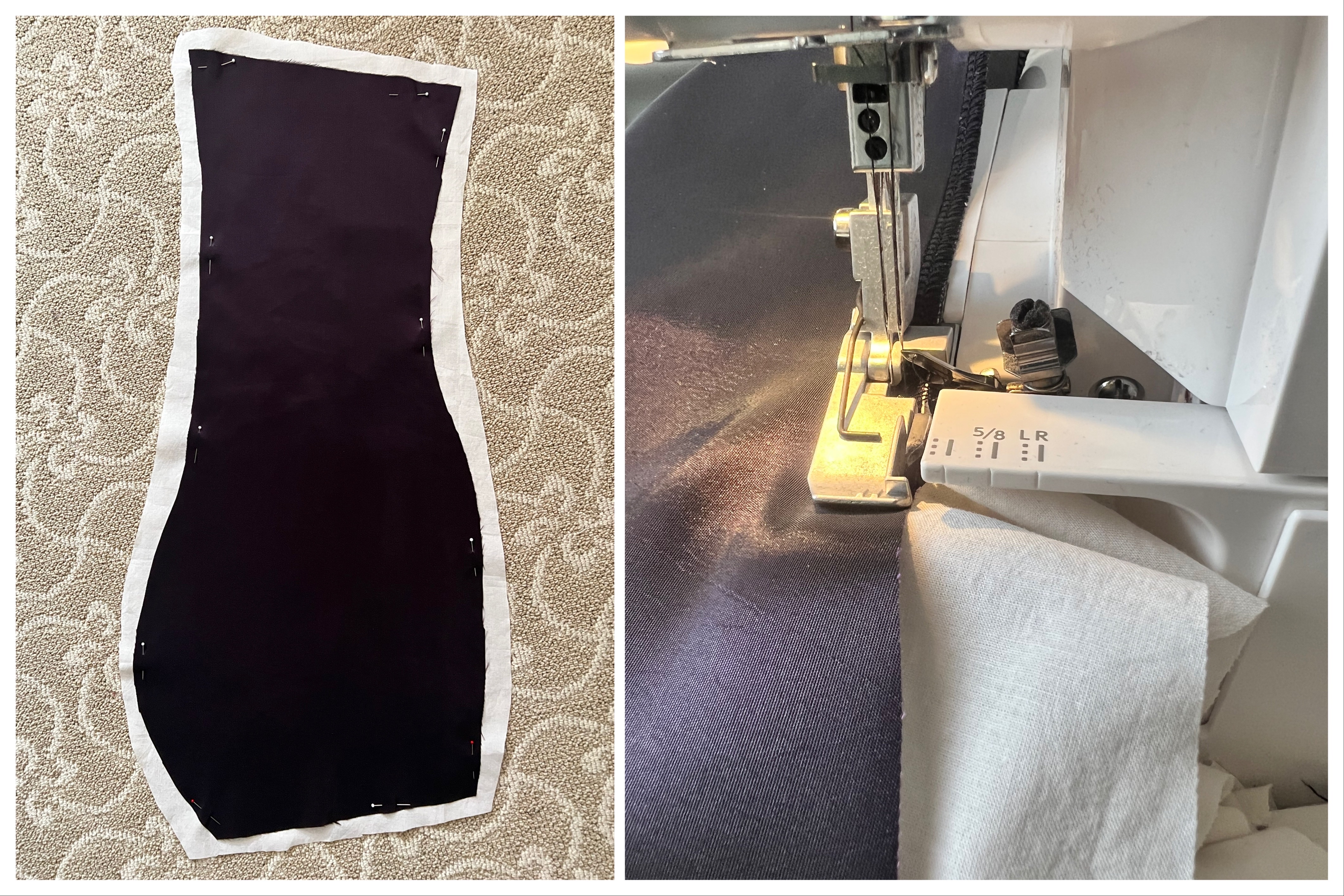
Tip/trick #4: To add extra body to thin fabric, flat-line it by adding an extra layer of fabric. However, to save time on cutting your pattern piece out twice, only cut out one layer and put it on the second. Use your serger to sew the pieces together and trim the excess at the same time!

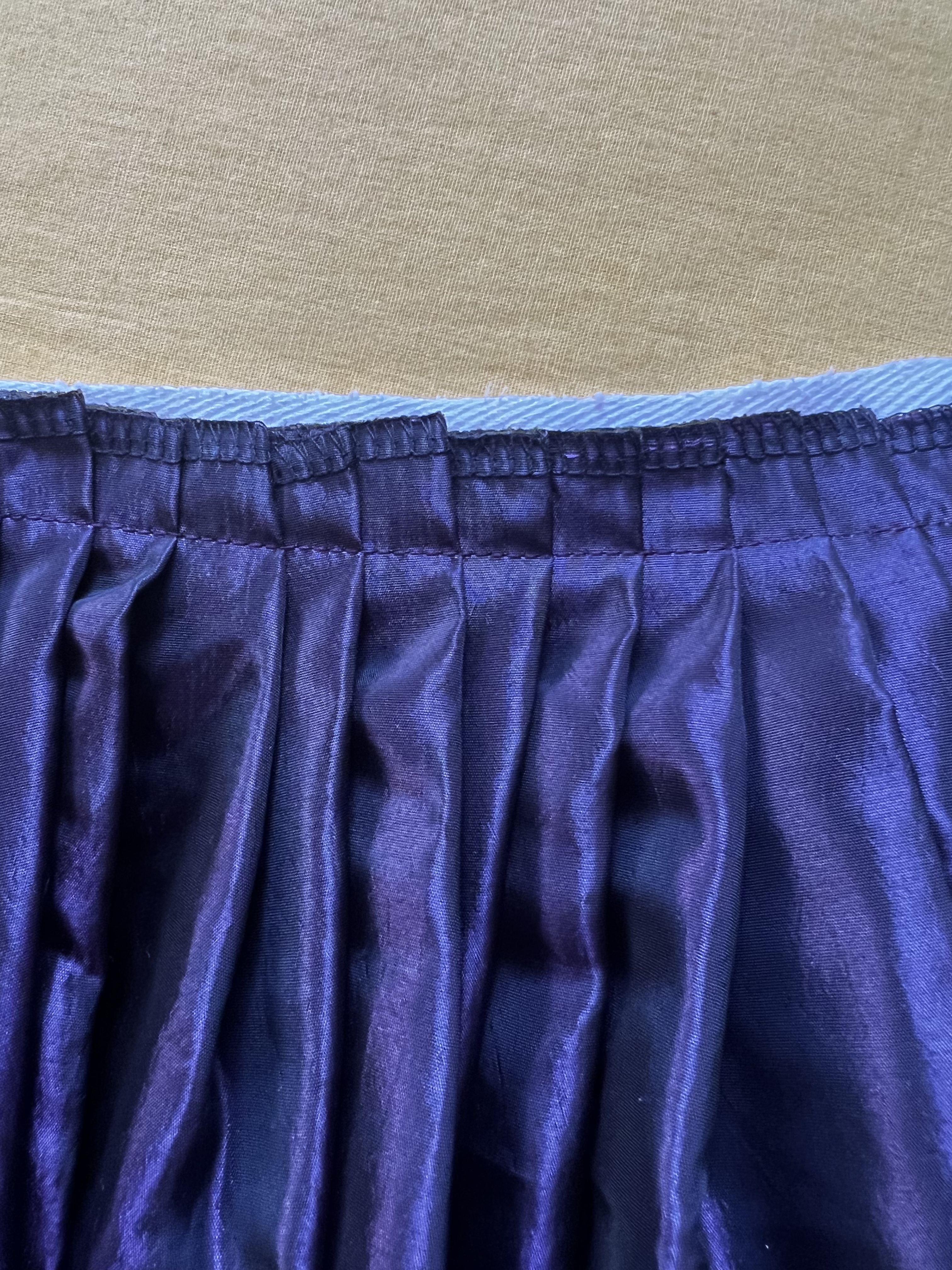
Tip/trick #5: Use knife pleats instead of cartridge pleats. Historically many gowns of this type used cartridge pleating to gather up the skirt. However, this is time-consuming and uses hand-sewing so I prefer knife pleats when I want to make the costume quickly. First serge the raw edges of the top edge of your skirt, then pleat, then stitch down the pleats. 

Tip/trick #6: If you want to skip making a waistband for the skirt, and have the convenience of a one-piece dress instead of a separate bodice and skirt, when you stitch down your skirt pleats sew them to a piece of twill tape. Then you will whip-stitch your twill tape to the bodice. 

Tip/trick #7: If you are trying to sew thing tubular like a sleeve or cuff, remember you can remove the flatbed/storage tray of your Janome to turn it into a free arm machine, making it easier to maneuver your sewing project. 

Tip/trick #8: To save time installing metal eyelets or sewing thread eyelets by hand, use the automatic eyelet stitch under your buttonhole menu. After sewing, use an awl to open the holes and put your lacing through. (My dress closes in the back with adjustable lacing).

Tip/trick #9: To save time doing math, use an expandable sewing gauge to mark out where your evenly spaced eyelets should be. This also works for measuring out buttonholes and pleats.

Tip/trick #10: To avoid having an obvious machine-sewn hem, but not have to go through the effort of hemming your skirt by hand, you can cover your machine-sewn hem with a pretty trim. For this hem I serged the raw edge, folded it up inside the skirt, stitched it down, pinned on trim, and then sewed down both edges of the trim using a matching thread.

Thank you for reading and I hope this helps you with your costumes!

Photo by Daisy Rose Coby of Memento Moda. With my friend Sara of La Dauphine Costuming.